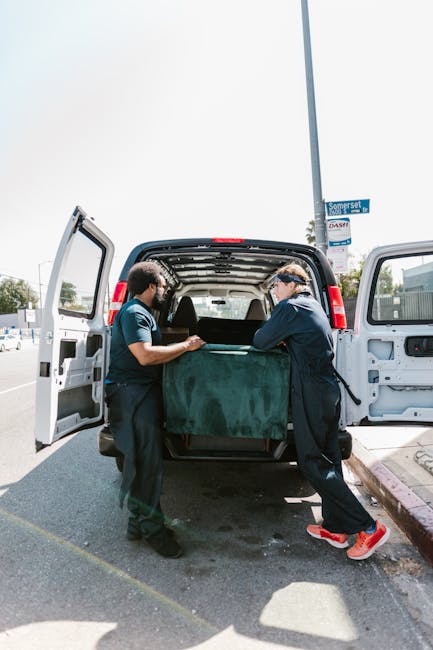
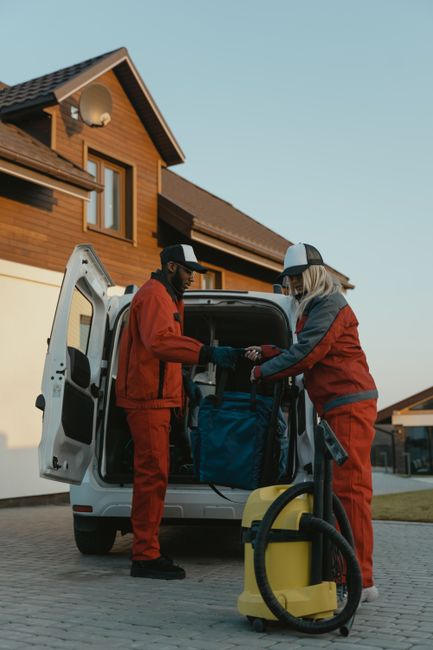
Compare Wandsworth Removals: Man-and-Van vs Full Crew
If you are trying to compare Wandsworth removals: man-and-van vs full crew, you are probably at the point where the move stops being a vague idea and starts looking very real. Boxes everywhere. A sofa that will not quite fit through the hallway. A date on the calendar that is approaching a bit too fast. Sound familiar?
The choice between a man-and-van and a full moving crew is not just about budget. It affects speed, lifting help, packing pressure, parking logistics, and how stressful the day feels when the kettle is still in the wrong box. In Wandsworth, where terraces, flats, tight streets, and busy roads can make moving day awkward, the right setup can save a lot of hassle.
This guide breaks down the practical differences, who each service suits, what to expect on moving day, and how to make a sensible decision without overpaying or underbooking. If you want a broader view of the moving options available locally, you can also explore home moving services and the dedicated house removalists page for a more complete service overview.
Quick takeaway: man-and-van is usually the lean, flexible choice for smaller or simpler moves, while a full crew is better when speed, heavier furniture, and reduced lifting are more important than keeping the team small. It is not rocket science, but it does need the right fit.
Table of Contents
- Why Compare Wandsworth Removals: Man-and-Van vs Full Crew Matters
- How Compare Wandsworth Removals: Man-and-Van vs Full Crew Works
- Key Benefits and Practical Advantages
- Who This Is For and When It Makes Sense
- Step-by-Step Guidance
- Expert Tips for Better Results
- Common Mistakes to Avoid
- Tools, Resources and Recommendations
- Law, Compliance, Standards, or Best Practice
- Options, Methods, or Comparison Table
- Case Study or Real-World Example
- Practical Checklist
- Conclusion
- Frequently Asked Questions
Why Compare Wandsworth Removals: Man-and-Van vs Full Crew Matters
Moving sounds simple until you have to do it. Then the details pile up quickly: access, parking, stairs, fragile items, awkward furniture, and how many hands you actually need on the day. That is exactly why comparing man-and-van with a full crew matters.
In Wandsworth, the moving environment often shapes the best choice. Many properties are a mix of period homes, maisonettes, flats above shops, and newer developments. Some have narrow entrances. Some have no lift. Some have loading restrictions that make a quick, efficient move far more valuable than a cheap-looking quote that ends up taking all day.
Truth be told, the wrong setup often costs more in time and effort than it saves in money. A smaller service may look attractive for a one-bed flat, but if you have a heavy wardrobe, a bed frame that does not come apart neatly, and a top-floor walk-up, you may feel the pain by lunchtime. Equally, paying for a large crew when you only have a few items to move can be unnecessary. The sweet spot is different for every move.
Another reason this comparison matters is coordination. A man-and-van arrangement can be ideal when you are handling much of the work yourself and just need transport plus a helping hand. A full crew becomes more useful when you want a team to manage loading, lifting, protecting items, and keeping the whole process moving without you becoming the unofficial foreman.
Expert summary: the best removal option is rarely the one with the biggest vehicle or the lowest headline price. It is the one that fits your access, inventory, time window, and physical lifting needs.
How Compare Wandsworth Removals: Man-and-Van vs Full Crew Works
At a practical level, the difference is straightforward. A man-and-van service usually means one driver mover, sometimes with an additional helper depending on the job. The vehicle is often smaller and the service is designed for flexibility, short-notice jobs, smaller properties, single-item collections, and moves where you can do some of the labour yourself.
A full crew generally means multiple movers, a larger vehicle, and a more structured approach. The team can split lifting tasks, move bulky furniture more safely, and work faster through stairs, corridors, and doorways. If you have ever tried to pivot a mattress around a tight landing with only one other person and a worrying amount of optimism, you will know why this matters.
In both cases, the process usually follows the same broad pattern:
- You outline what needs moving, including item count, access issues, and timing.
- The moving company assesses the likely vehicle size, crew size, and level of labour needed.
- You receive a recommendation based on your inventory and property layout.
- On moving day, the team loads, transports, and unloads your belongings.
- If requested, packing support or furniture handling may be added.
Some moves also pair naturally with other services. If you need careful wrapping, box preparation, or help unpacking at the other end, take a look at packing and unpacking services. If your move is part of a business relocation rather than a home move, a service such as commercial moves or office relocation services may be more relevant.
To be fair, the real difference is not just manpower. It is pace, resilience, and how much of the strain you want removed from your shoulders. That is the bit people sometimes overlook.
Key Benefits and Practical Advantages
Both options have strengths. The right one depends on what you value most on the day.
Why people choose man-and-van
- Flexible for smaller loads, single items, or light domestic moves.
- Often easier to arrange at short notice.
- Usually more cost-conscious for straightforward jobs.
- Works well when you are happy to help carry boxes or dismantle furniture yourself.
- Can suit furniture pick-ups and local transport runs without overcomplicating things.
If that sounds like your situation, a dedicated man-and-van service or man with van option may be the most practical route. This is especially true for students, renters moving from a studio, or anyone shifting a few larger pieces between nearby addresses.
Why people choose a full crew
- Better for heavier, bulkier, or awkward furniture.
- Speeds up loading and unloading.
- Reduces the physical burden on you and your household.
- Helps with stairs, tight turns, and multi-room homes.
- Often a calmer choice when time pressure is high.
For bigger household moves, a larger vehicle can make the day much smoother. If the job needs more transport capacity as well as extra hands, you may find the supporting services around a moving truck or removal truck hire helpful to understand alongside crew size.
Practical advantage in one line: man-and-van helps you stay lean; full crew helps you stay sane.
Who This Is For and When It Makes Sense
Not every move needs a large team. Not every move should be treated like a quick solo collection either. Here is a simple way to think about it.
Man-and-van makes sense if you are:
- Moving from a studio, small flat, or one-bedroom property.
- Transporting only a few items or a partial load.
- Handling much of the packing and carrying yourself.
- Moving locally within Wandsworth or nearby areas.
- Working with flexible timing rather than a strict same-hour deadline.
This is also a good fit for furniture-only jobs, such as shifting a bed, a sofa, or a cabinet. If that is your situation, the furniture pick-up option may be worth considering too, especially when the job is more collection-based than full-house removal.
A full crew makes more sense if you are:
- Moving a two-bedroom home or larger.
- Dealing with many boxes and multiple bulky items.
- Worried about stairs, narrow hallways, or heavy lifting.
- Trying to move quickly, perhaps between tenancy dates.
- Relocating a family home where time and coordination are both tight.
There is also a separate question of workload. If your move has packing, dismantling, and unloading all stacked together, a larger crew may reduce the day from frantic to manageable. Not glamorous, maybe, but very real.
House moves and office moves can sit in different buckets entirely. For example, a business moving desks, filing, and equipment should normally look at office relocation services rather than trying to squeeze that into a light domestic vehicle arrangement.
Step-by-Step Guidance
If you are still deciding between the two, follow this simple process. It is not fancy, but it works.
1. List everything that has to move
Start with the large items first: bed, wardrobe, sofa, dining table, fridge, washing machine, office desk, and anything fragile or awkward. Then add boxes. Many people underestimate box volume and overestimate how easy the "last few bags" will be. They are rarely just a few bags.
2. Check access at both addresses
Think about stairs, lift access, parking distance, narrow front doors, and whether a large van can actually stop nearby. In Wandsworth, access can be the difference between a tidy job and a very long afternoon.
3. Decide how much lifting you want to do
Be honest here. If you are happy lifting and carrying light boxes, man-and-van can work well. If you do not want to be involved in the heavy lifting, a full crew is usually the better call.
4. Match vehicle size to the inventory
A van that is too small creates multiple trips, which wastes time and adds stress. A vehicle that is too large may be unnecessary if your load is modest. The right match is often about efficiency, not just capacity.
5. Consider timing and deadlines
If you need to vacate a property by a strict time, or if the keys are being handed over later in the day, the added speed of a full team can matter more than it first appears.
6. Ask about extras before you book
Do you need packing help? Dismantling? Reassembly? Extra care for fragile items? Confirm these points early. A good move is usually made in the planning, not on the doorstep.
If you want to keep things tidy from the start, pair your plan with a service that fits the job rather than forcing the job to fit the service. That mindset saves headaches. Usually.
Expert Tips for Better Results
Over time, a few patterns become obvious. The moves that go well are rarely the ones with the fanciest vehicle. They are the ones with the clearest prep.
- Label boxes by room and priority. A simple "kitchen - open first" label makes unpacking less chaotic.
- Separate essentials early. Keep chargers, medication, documents, snacks, and a kettle box easy to reach. You will thank yourself later.
- Measure large furniture before moving day. A sofa that looks fine in the lounge may become a problem at the staircase.
- Protect vulnerable items. Mirrors, glass tables, and monitors need better padding than a normal box can offer.
- Keep parking in mind. The best crew in the world still needs legal, practical access.
- Tell the removers about awkward items. Pianos, oversized wardrobes, and antique pieces change the approach.
One small but useful tip: if you have a mix of heavy and light items, group them by loading order. The team can then work faster, and you avoid the classic "where does this one random chair go?" moment in the middle of the pavement.
And yes, leave a little breathing room in the schedule. Moving always takes longer than people hope. That is just how it goes.
Common Mistakes to Avoid
Most moving problems are predictable. The annoying part is that they are also preventable.
Choosing only on price
The cheapest quote can look clever on paper and still cost more in stress, delays, or extra labour. Compare the actual service scope, not just the headline number.
Underestimating the load
People often count furniture but forget the real army of boxes, bags, and "small things" that somehow fill a van. A move that seems light can become full surprisingly quickly.
Ignoring access problems
If the property has stairs, a long walk from the parking spot, or restricted loading, mention it. Not as a small aside. Mention it clearly.
Assuming one helper is always enough
For some jobs, yes. For others, no chance. Trying to save money by skimping on manpower can lead to fatigue, slower loading, or damage to items and walls.
Leaving packing until the last evening
Everyone says they will "just do the rest tonight." Then the tape runs out, the plates are still loose, and someone is eating takeaway from a mixing bowl. It happens.
If you want a calmer move, be realistic about your own time and energy. The more honest the plan, the better the outcome.
Tools, Resources and Recommendations
You do not need complicated tools to make a good moving decision, but a few basics help a lot.
- Room-by-room inventory: useful for deciding whether man-and-van is enough or whether a larger crew is safer.
- Simple tape measure: essential for sofas, wardrobes, beds, and access points.
- Box labels and marker pens: boring, yes. Extremely effective, also yes.
- Basic packing materials: sturdy boxes, wrapping paper, tape, and blankets for protection.
- Calendar buffer: a spare half-day can save a lot of stress if the schedule slips.
For homeowners and renters who want a more complete move package, the broader home moves service information can help you understand how transport, loading, and packing support fit together. If your move is small and you only need a vehicle for a short local task, a leaner option may still be best.
For businesses, the practical picture is slightly different. A commercial move often needs better timing, more coordination, and careful handling of equipment. That is where commercial moves becomes the more relevant reference point.
Law, Compliance, Standards, or Best Practice
This is not the glamorous part of moving, but it matters. In the UK, moving day usually involves ordinary practical duties rather than anything unusual, yet there are still sensible standards to follow.
First, access and parking should be planned properly. If a vehicle needs to wait, load, or stop near the property, it should do so lawfully and without blocking neighbours or causing avoidable issues. In busy parts of London, that is not a small detail. It is the detail.
Second, movers should handle goods with reasonable care, and customers should disclose anything fragile, valuable, or difficult to move safely. If a wardrobe is already unstable, or a washing machine is not fully disconnected, say so early. Surprises at the front door are nobody's favourite.
Third, packing should be done in a way that reduces the risk of breakage and injury. Heavy items belong in smaller boxes. Sharp edges need protection. Wet or leaking items should not be mixed with fabrics or electronics. Plain common sense, really, but worth saying out loud.
Fourth, if you are moving from a rented property, check your tenancy obligations and handover expectations carefully. We are keeping this general, because those details can vary, but it is wise to plan for cleaning, key return, and the condition of the property at checkout.
Finally, always read the terms and conditions for any service before booking, especially if you are unsure about cancellations, waiting time, access issues, or what is included. The small print is dull. Still important.
Options, Methods, or Comparison Table
Here is a simple side-by-side comparison to help you decide more quickly.
| Factor | Man-and-Van | Full Crew |
|---|---|---|
| Best for | Small moves, single items, lighter loads | Medium to large homes, bulky furniture, tighter deadlines |
| Crew size | Usually one mover or a small team | Multiple movers |
| Speed | Good for simple, lighter jobs | Faster for bigger or more complex moves |
| Physical effort from you | Often higher | Usually lower |
| Vehicle needs | Smaller van, lower capacity | Larger vehicle, more loading space |
| Typical use case | Flat share move, furniture collection, partial house move | Family home move, multiple heavy items, access challenges |
| Budget approach | Often more economical for modest jobs | Often better value when labour needs are high |
In plain English: if you can carry most of the load yourself and the inventory is manageable, man-and-van may be enough. If the move feels like a proper logistical event, a full crew is likely worth it.
Case Study or Real-World Example
Imagine two Wandsworth moves happening on the same damp Tuesday morning. Not dramatic, just typical London weather and a slightly awkward parking situation.
The first is a one-bedroom flat move. The customer has a sofa, a bed, a small dining table, and around a dozen boxes. They are happy to pack everything in advance and help carry lighter items. Access is decent, and the loading time is flexible. In this case, a man-and-van setup makes sense. It is tidy, efficient, and avoids paying for more manpower than needed.
The second is a three-bedroom family move from a terrace with stairs, mixed furniture, toys, wardrobes, boxes, and a washing machine that needs careful handling. The family wants to be out by lunchtime and would rather not spend the day lifting. Here, a full crew is the obvious better fit. The team can split the work, protect the items properly, and reduce the pressure on the family itself.
What is the lesson? The right service is not chosen by house size alone. It is chosen by the whole picture: access, volume, time pressure, and how much effort you want to avoid.
Sometimes the best move is the one that leaves you able to make tea without searching through eight boxes. That is not a joke. That is peace.
Practical Checklist
Use this checklist before you book:
- Have you counted all large furniture items?
- Do you know whether stairs, lifts, or narrow entrances will be involved?
- Have you estimated the number of boxes and bags?
- Do you need help with packing or unpacking?
- Are there any delicate, valuable, or unusually shaped items?
- Will you need dismantling or reassembly support?
- Is parking near both addresses realistic for the vehicle size?
- Do you have a firm move-out time or key collection window?
- Are you comfortable with some lifting, or do you want the crew to handle most of it?
- Have you checked the service terms before confirming?
If you can answer these clearly, choosing between man-and-van and a full crew becomes much easier. No guesswork, no vague hope, no last-minute panic. Well, less panic anyway.
Conclusion
When you compare Wandsworth removals: man-and-van vs full crew, the real question is not which option sounds better in theory. It is which one matches the move in front of you. A man-and-van service can be ideal for smaller, lighter, more flexible jobs. A full crew is often the smarter choice when the load is heavy, the property is awkward, or time matters more than saving a little on labour.
In a place like Wandsworth, where access, parking, and building layouts can quickly complicate moving day, making the right call early pays off. You save energy, reduce risk, and give yourself a far better chance of an orderly move instead of a chaotic one.
Get a free quote today and see how much you can save.
And if you are still weighing it up, that is fine. A careful move is usually a calmer move, and calm is worth a lot on moving day.
Frequently Asked Questions
What is the difference between man-and-van and a full removal crew?
Man-and-van usually means one mover with a van, sometimes with a helper, while a full crew includes several movers and a larger vehicle. The full crew is better for heavier, larger, or more complex moves.
Is man-and-van cheaper than a full crew?
Often yes, for small and straightforward jobs. But if the job needs multiple trips, extra lifting, or much more time, a full crew can end up being better value overall.
Which option is better for a one-bedroom flat in Wandsworth?
For many one-bedroom flats, man-and-van is enough, especially if access is reasonable and you are happy to help with boxes. If you have several heavy items or lots of stairs, a full crew may still be the safer choice.
When should I choose a full crew instead of man-and-van?
Choose a full crew when you have bulky furniture, a tight deadline, a larger home, difficult access, or when you want to minimise physical effort on your side.
Can a man-and-van service handle furniture?
Yes, for many pieces it can. The key is whether the items are too heavy, awkward, or fragile for a small team to manage safely on the day.
Do I need packing services as well?
Not always. If you are well organised and have enough time, you may not need them. But if your move is busy or you want a smoother day, packing support can make a big difference.
How do I know what size service I need?
Make a list of furniture, boxes, stairs, and access issues. Then think honestly about how much lifting you want to do yourself. That usually points you in the right direction.
Is a full crew always faster?
For bigger moves, usually yes, because multiple movers can work at the same time. For very small jobs, the difference may not be dramatic.
What if I only need to move one or two items?
That is exactly the kind of job where a smaller service can be a sensible fit. Furniture collections and short local runs often suit man-and-van well.
Can these services work for office moves too?
Yes, but business moves often need a different level of coordination. For that reason, it is better to look at office-focused and commercial moving services rather than treating it like a simple home move.
Should I worry about parking and access in Wandsworth?
Yes, because parking and access can affect timing, labour, and vehicle choice. Narrow streets, stairs, and limited stopping space can all change what service is most practical.
Where can I get more information before booking?
You can review the service details on the relevant pages, such as home moves, man-and-van, and contact us if you want to ask about your specific move.